St Mary, located in northwest Jersey, is a tranquil parish known for its rural charm and tight-knit community. With its peaceful surroundings, it offers a retreat from the busier parts of the island, offering a blend of nature, history, and local produce.
Why St Mary?
This serene parish is home to La Mare Vineyards, a working distillery producing Jersey cider, wine, black butter, and other Genuine Jersey products. The estate gives visitors a unique glimpse into the island’s culinary heritage. For outdoor enthusiasts and nature lovers, you can explore the dramatic Devil’s Hole crater and enjoy the Devil’s Hole Priory Inn, which features an indoor play area for children. The parish is also home to St Mary’s Parish Church and Bethlehem Methodist Church, offering a rich cultural history. With its scenic landscapes and family-friendly amenities, St Mary captures the essence of Jersey’s tranquillity and tradition.
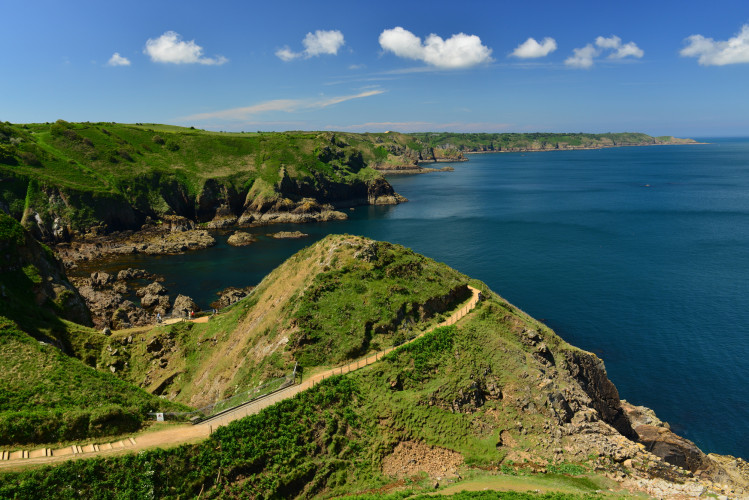
The name ‘Devil’s Hole’ is a dramatic one but was only invented in the 19th century. Formerly it was called ‘Le Creux de Vis’ or Spiral Cave. One possible derivation for its modern name is connected to the shipwreck of a French boat in 1851. Its figurehead was thrust by the tide straight into the hole and a local sculptor transformed the torso into a wooden devil, complete with horns. Today this devil’s metal replica stands in a pool on the way down to the crater, lending a peculiarly supernatural atmosphere to the winding path down to Devil’s Hole itself.
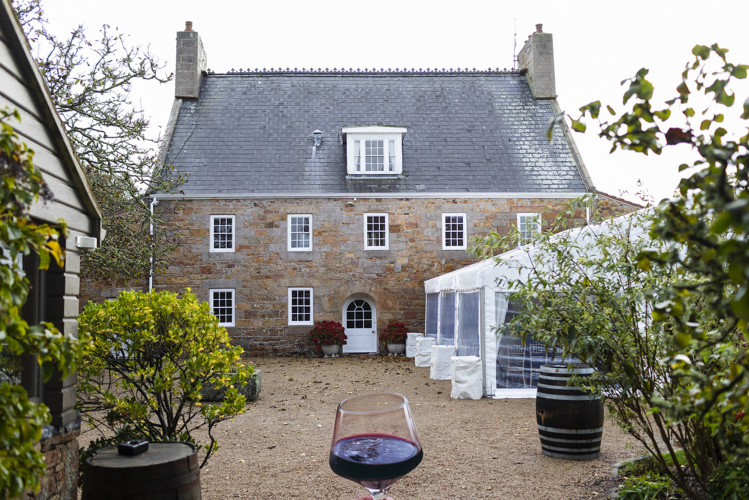
La Mare Estate stands out as a must-visit destination in Jersey for all the family. Entrance to the estate, including the Vineyard Walk, orchards, meadow, café, and gift shop, is free. Additionally, guests can indulge in up to six Tour and Tasting Experiences throughout the week, available for online booking in advance. There's a Fairy Trail for younger children and Grapevine Challenge for older children with chocolate prize!
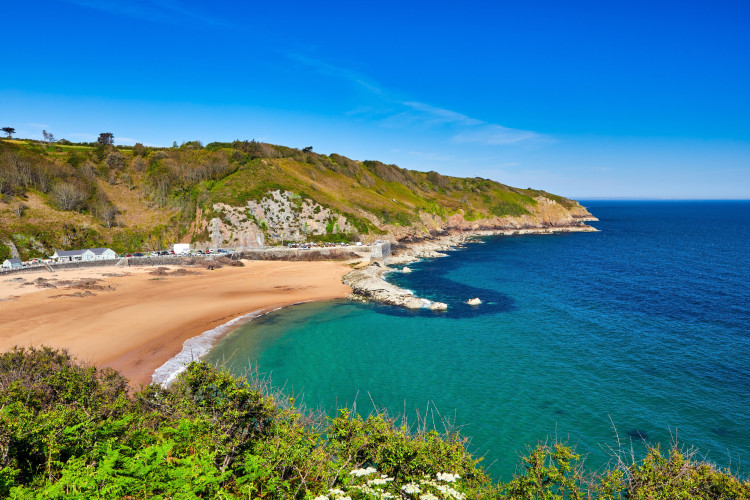
Grève de Lecq is shared with St Ouen. Grève is the Jèrriais word for beach. Lecq originates from the Norse La Wik, which may have meant 'ship-loading creek' or referred to witches, should the bay have been a centre of sorcery. On the east side of Grève de Lecq in the parish lies Le Câtel de Lecq, a mediaeval earthwork. In the bay Le Moulin de Lecq, an old watermill, was converted into a residence in 1929 and following the Second World War became a pub, while retaining the wheel and remnants of the gears.